
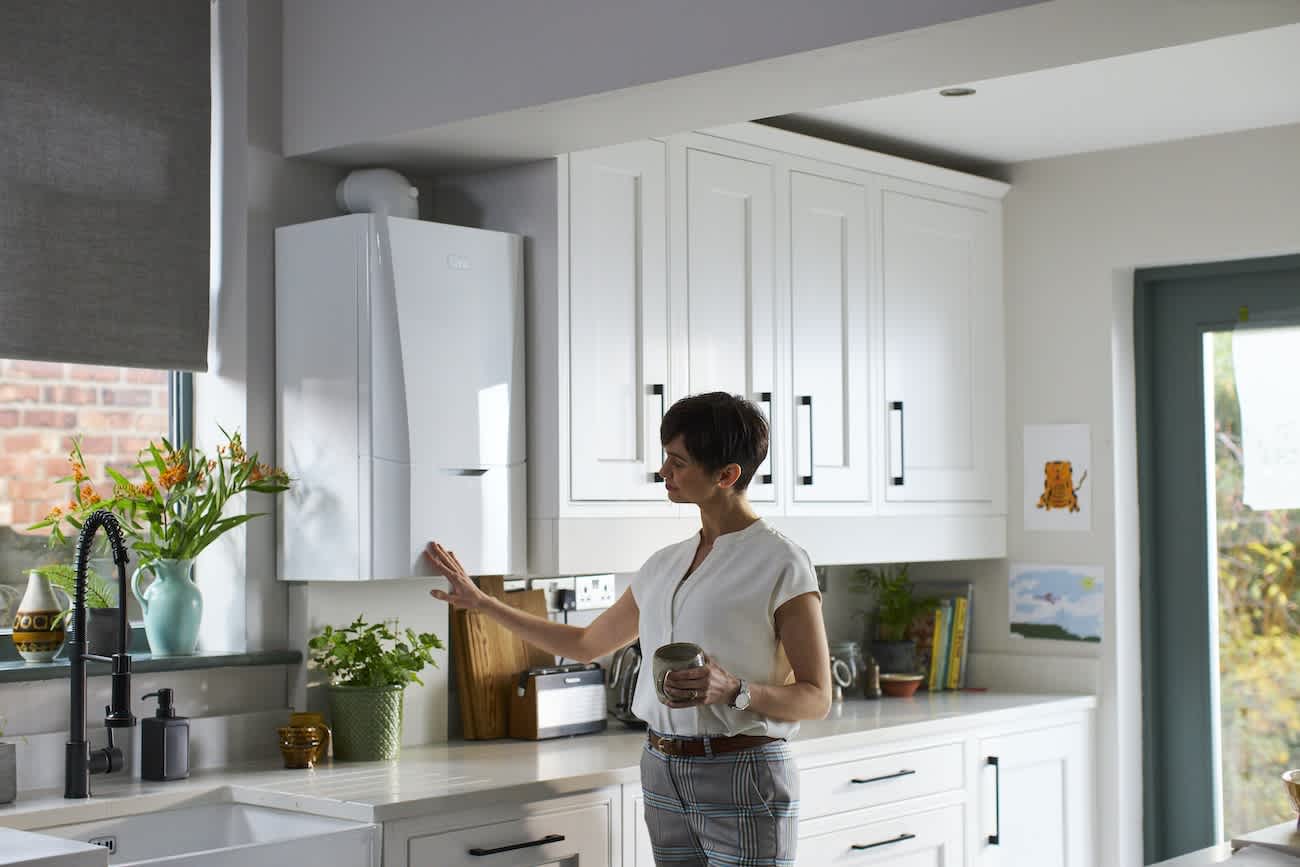
Living in Scotland brings a unique set of challenges when it comes to keeping a home warm. We are all familiar with the horizontal rain, the sudden drops in temperature, and those long winter months where the sun barely seems to crest the horizon. In this climate, a boiler isn’t just another household appliance tucked away in a cupboard; it is the beating heart of the home. When it fails, it isn’t just an inconvenience—it can quickly become a minor domestic emergency. This is why many homeowners are now looking at the benefits of upgrading to new boilers scotland to ensure they aren’t left in the cold when the next ‘Beast from the East’ rolls in.
The technology behind domestic heating has moved on significantly over the last decade. If your current unit is more than twelve or fifteen years old, it is likely a non-condensing model. These older systems are often remarkably inefficient, sometimes losing as much as 30% of the heat they produce through the flue. In contrast, modern A-rated condensing boilers are designed to recover much of that lost energy, operating at efficiencies of 92% or higher. For a typical Scottish household, this transition can lead to substantial savings on annual energy bills, which is a welcome relief given the current cost of living.
The different types of systems you might consider
When you start researching new boilers Scotland, you will quickly realise there isn’t a one-size-fits-all solution. The right choice depends entirely on your property type, the number of bathrooms you have, and your typical hot water usage. Most modern Scottish homes will fall into one of three categories when it comes to their heating setup.
- Combination Boilers (Combis): These are the most popular choice for flats and smaller houses. They provide heat for your radiators and hot water on demand without needing a bulky water tank in the loft or a cylinder in a cupboard. They are space-saving and efficient, though they can struggle if multiple people try to take a shower at the same time in different bathrooms.
- System Boilers: Often found in larger family homes, these require a cylinder to store hot water but don’t need a tank in the loft. They are excellent for properties with high hot water demand, allowing you to run several taps simultaneously without a drop in pressure.
- Regular (Conventional) Boilers: Usually found in older properties with traditional plumbing, these require both a cylinder and a cold water storage tank in the attic. While they take up more space, they are often the best option for homes where the pipework is older and might not handle the high pressure of a combi system.
Why efficiency is actually the biggest selling point
It is easy to get caught up in the technical specifications, but for most of us, the real motivation for looking at new boilers Scotland is the impact on our bank accounts. Because modern boilers are so much better at squeezing every bit of energy out of the gas they burn, they use significantly less fuel to achieve the same level of warmth. This is particularly important in Scotland, where we tend to keep our heating on for more months of the year than our neighbours in the south.
Beyond the immediate financial savings, there is also the reliability factor. An old boiler is prone to internal corrosion, limescale buildup, and mechanical failure. Finding parts for a twenty-year-old unit can be a nightmare, often resulting in long wait times while your house gets colder. By upgrading, you gain the peace of mind that comes with a manufacturer’s warranty, which can sometimes last up to twelve years. This means that if something does go wrong, you aren’t hit with a massive repair bill out of the blue.
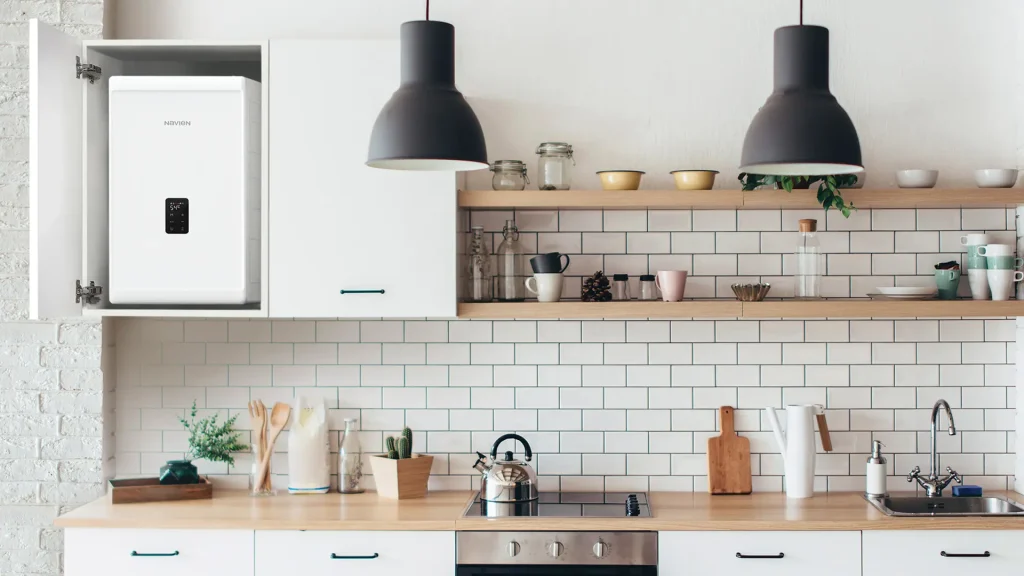
Navigating the installation process in Scotland
Once you have decided that an upgrade is necessary, the next step is the installation itself. This isn’t a job for a DIY enthusiast; it requires a specialised, Gas Safe registered engineer who understands the specific requirements of Scottish building regulations and the local climate. A professional installation involves more than just swapping one box for another. It includes a full system flush to remove old sludge, the installation of a magnetic filter to protect the new components, and the commissioning of the system to ensure it is running at peak performance.
When looking for installers, it is worth considering those who have a deep understanding of the local area. Whether you are in a Victorian tenement in Glasgow or a modern semi-detached in Aberdeen, the local water pressure and existing pipework will dictate how the boiler performs. A local expert will be able to advise on whether you need a scale reducer or if your gas supply pipe needs to be upsized to meet modern safety standards.
What to look for in a modern heating system
If you are investing in a new system, you should also look at the smart technology that can accompany it. Many new boilers Scotland are now compatible with smart thermostats like Nest, Tado, or Hive. These systems allow you to control your heating from your phone, meaning you can turn the heating up as you leave work or turn it down if you realise you’ve left the house with the radiators blasting. Some systems even use ‘load compensation’ or ‘weather compensation’ technology.
- Weather Compensation: This uses a small sensor outside your house to tell the boiler how cold it is. The boiler then adjusts its output accordingly, rather than just blasting on and off at full power.
- Load Compensation: This monitors the difference between the internal temperature and the desired temperature, allowing the boiler to modulate its flame for more consistent warmth.
- Smart Zoning: This allows you to heat only the rooms you are using, rather than the whole house, which is a fantastic way to cut down on wasted energy.
Funding and grants for Scottish homeowners
The Scottish Government has been quite proactive in encouraging homeowners to move toward more efficient heating. There are often various schemes available, such as the Warmer Homes Scotland programme or interest-free loans from Home Energy Scotland. These initiatives are designed to help people manage the upfront cost of new boilers Scotland, especially if their current system is broken or highly inefficient. It is always worth checking the current availability of these grants before you commit to a purchase, as they can significantly offset the initial investment.
Even without a grant, the long-term ROI (Return on Investment) of a new boiler is one of the best you can make for your property. Not only does it lower your monthly outgoings, but it also adds value to your home and improves its EPC (Energy Performance Certificate) rating. In a competitive property market, a brand-new, efficient heating system is a major selling point for potential buyers who don’t want the hassle of an immediate upgrade.
Maintaining your system for the long haul
After your new boiler is installed, the work doesn’t quite stop there. To keep that all-important warranty valid and ensure the system remains efficient, you must arrange for an annual service. A qualified engineer will check the combustion levels, inspect the heat exchanger, and ensure there are no leaks or safety issues. In the context of the Scottish weather, it is usually best to schedule this service in the late summer or early autumn. This ensures that any minor issues are caught before you turn the heating on for the first time in October, preventing those stressful ‘no heating’ mornings when the first frost hits.
Modern boilers are also much quieter than their predecessors. If you have been used to a boiler that clanks, whistles, or hums loudly through the walls, the near-silent operation of a new unit can be a revelation. This is particularly noticeable in smaller flats where the boiler might be located near a bedroom or living area. The combination of better insulation within the unit and more refined pump technology makes for a much more peaceful home environment.

Dalton Cussins is an expert in energy efficiency and sustainable home improvements. He focuses on insulation grants, funding schemes, and innovative heating solutions to help homeowners reduce energy costs and carbon footprints.